
ABB's website uses cookies. By staying here you are agreeing to our use of cookies -> Learn more
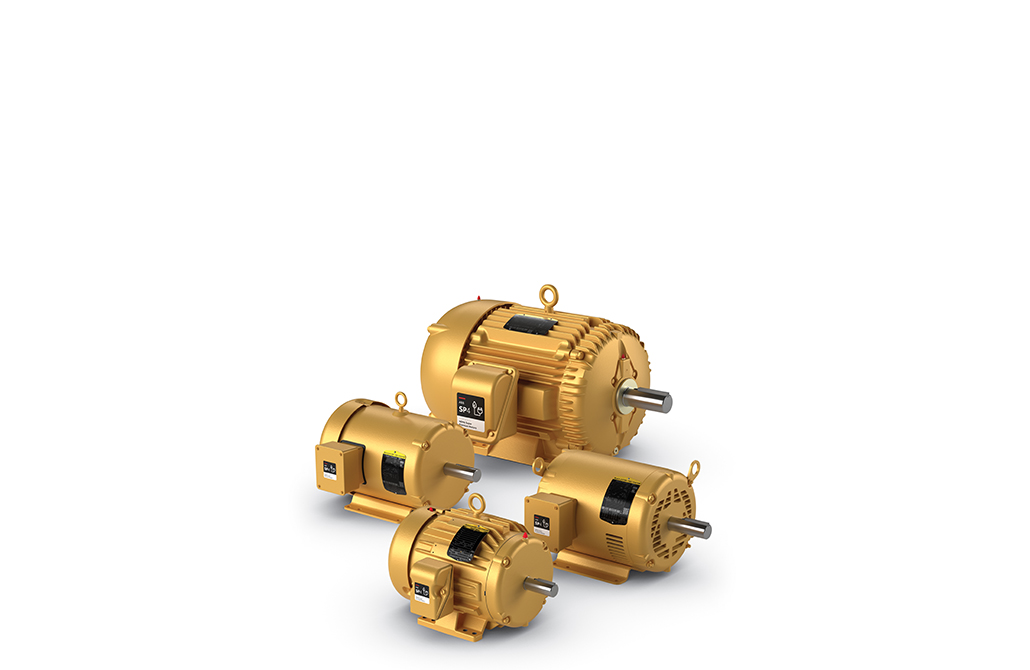
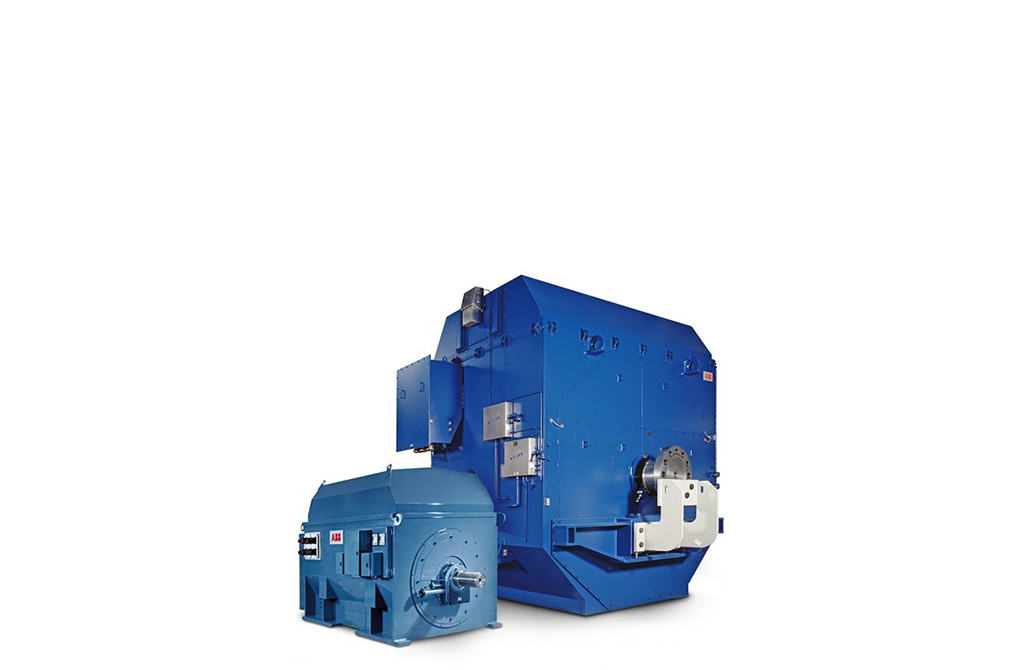
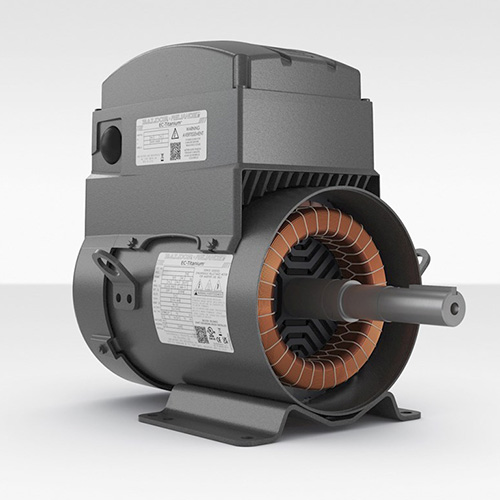
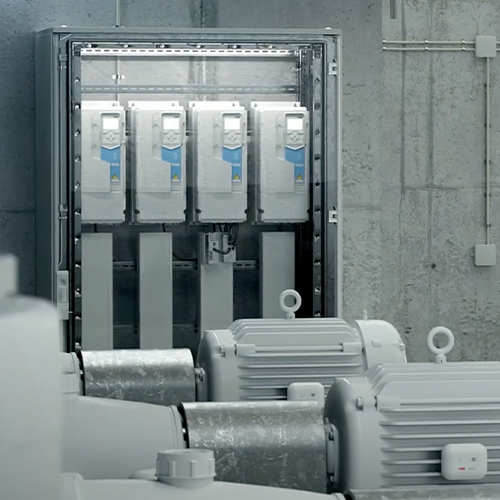
More than 100 years ago, we set out to build a better motor, and that’s still our goal. Today, ABB is the world’s number-one manufacturer of NEMA motors, and we’re proud to support you locally with the Baldor-Reliance product brand. When you choose an ABB Baldor-Reliance motor, you get a product designed and manufactured for quality and reliability, backed by a global network of sales and support professionals dedicated to providing a world-class customer experience.
Product Offering